

Pet In-House Imaging & Diagnostics
Lillington Veterinary Hospital features comprehensive in-house veterinary diagnostics to quickly evaluate your pet’s health using modern tools such as pet blood testing, veterinary radiology, and vet ultrasound.
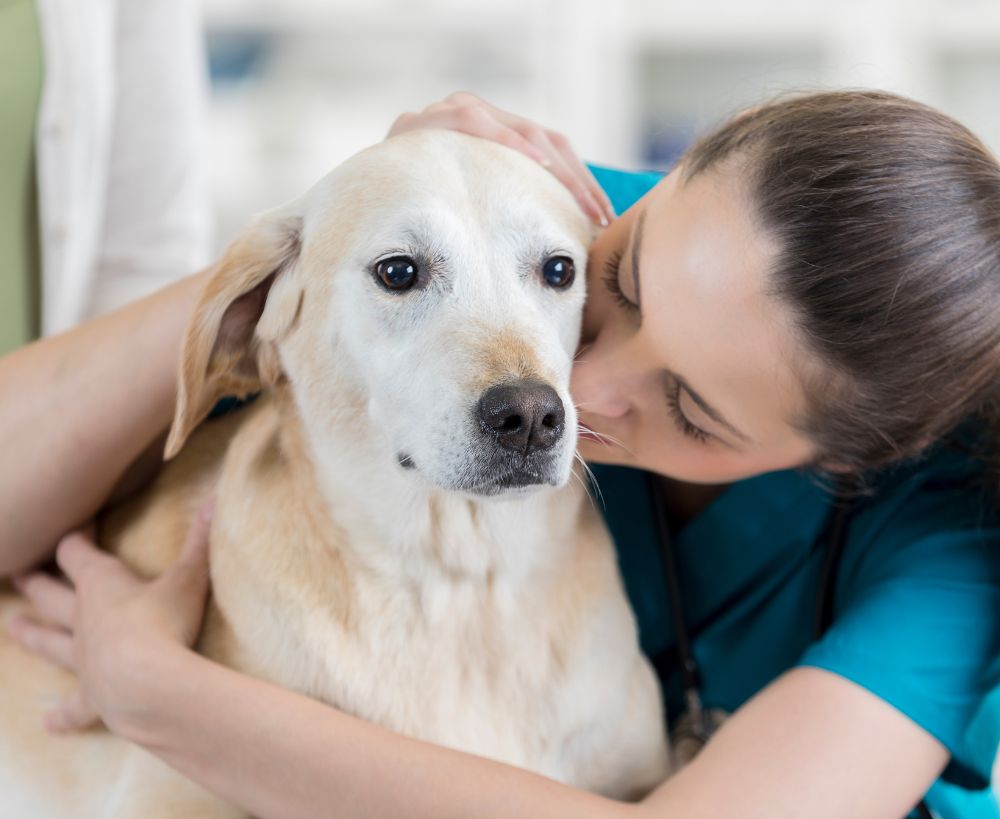
What Are In-House Imaging & Diagnostics?
Our diagnostic services include pet x-rays, dog ultrasound and cat ultrasound, comprehensive pet blood testing, and evaluation of skin and endocrine conditions through pet dermatology and pet endocrinology workups. Having these services on site means faster results, earlier detection, and more timely care for your dog or cat.
How Our Diagnostic Services Work
Veterinary Radiology & Pet X-Rays
Our digital veterinary radiology system uses pet X-rays to create detailed images of your pet’s bones and internal organs. X-rays help us diagnose fractures, arthritis, lung disease, heart enlargement, foreign objects, and abdominal issues. Digital technology allows us to capture high-quality images quickly with less radiation than traditional film X-rays.
To ensure clear images, pets must remain still during X-rays; in some cases, mild sedation or short-acting anesthesia may be recommended to keep them comfortable and still.
Ultrasound & Pet Imaging
We also use dog ultrasound, cat ultrasound, and general vet ultrasound to evaluate soft tissues and organs in a noninvasive, pain-free way. Ultrasound uses sound waves—not radiation—to visualize structures such as the liver, kidneys, bladder, spleen, and reproductive organs, as well as to detect fluid, cysts, tumors, or pregnancy.
During an ultrasound, gel is applied to the skin, and a handheld transducer is moved gently over the area of interest to create real-time images. Most pets tolerate this procedure well without sedation, although some may need a small area shaved for the best image quality.
Pet Blood Testing & Medical Assessments
For many conditions, pet blood testing and urinalysis are essential. These tests help us evaluate kidney and liver function, blood sugar levels, electrolytes, and markers of infection or inflammation. We also perform targeted endocrine testing as part of our pet endocrinology services, assessing thyroid and adrenal function when hormonal disease is suspected.
A complete pet medical assessment includes a thorough physical exam—checking eyes, ears, skin, heart, lungs, abdomen, neurological status, and joints—followed by any necessary lab work, imaging, or additional diagnostics to reach a clear diagnosis.
Pet Dermatology
Skin and coat issues are among the most common reasons pets visit the vet. Our pet dermatology services focus on identifying the underlying cause of itching, hair loss, redness, bumps, or recurrent ear infections. Depending on your pet’s symptoms, we may perform skin scrapings, cytology, fungal cultures, biopsies, or allergy-related testing alongside blood work or imaging to reach an accurate diagnosis.
Diagnostic Expertise You Can Trust
The team at Lillington Veterinary Hospital has extensive experience interpreting pet imaging, lab results, and complex medical cases. Our veterinarians are skilled in reading veterinary radiology studies, performing vet ultrasound, and designing diagnostic plans that are both thorough and practical.
By combining advanced tools with careful physical exams and attentive listening to your concerns, we deliver diagnostics that support accurate, thoughtful treatment decisions. Pet owners throughout the greater Lillington area trust us to investigate the “why” behind their pet’s symptoms with diligence and compassion.
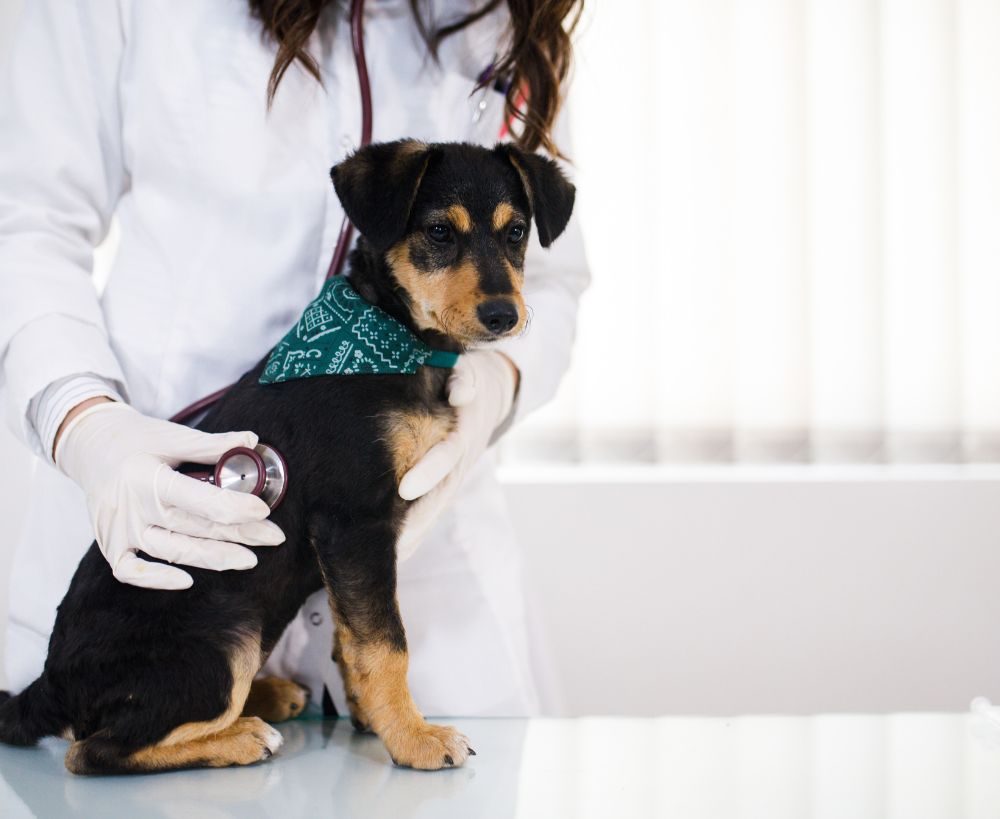
Why In-House Diagnostics Are Important
Timely and accurate diagnosis is critical for effective treatment. Many conditions—such as heart disease, endocrine disorders, or internal injuries—can’t be fully evaluated through physical exam alone. In-house veterinary diagnostics help us:
- Detect disease early, often before outward symptoms become severe
- Identify the cause of vomiting, diarrhea, coughing, lameness, or lethargy
- Monitor chronic conditions such as diabetes, kidney disease, or thyroid disorders
- Guide surgical and medical treatment plans with confidence
- Reduce delays by providing same-day test results in many cases
By combining advanced pet imaging with thorough pet medical assessment, our team can diagnose conditions affecting the heart, lungs, abdomen, skin, and endocrine system and create a targeted treatment plan tailored to your pet’s needs.
Clear Answers for Better Pet Health
When your pet is sick, injured, or just “not quite themselves,” having access to in-house veterinary diagnostics can make all the difference. At Lillington Veterinary Hospital, our integrated approach—featuring pet blood testing, pet x-rays, ultrasound, pet endocrinology, and pet dermatology—helps us uncover the root of health issues and tailor care for each individual dog or cat. Our goal is simple: to provide clear answers and confident treatment plans that support your pet’s health and your peace of mind.