

Pet Hip Dysplasia
Hip health plays a major role in your dog’s mobility, comfort, and quality of life. Lillington Veterinary Hospital practices thorough evaluation and treatment options for pet hip dysplasia in Lillington, NC, helping dogs stay active and pain-free.
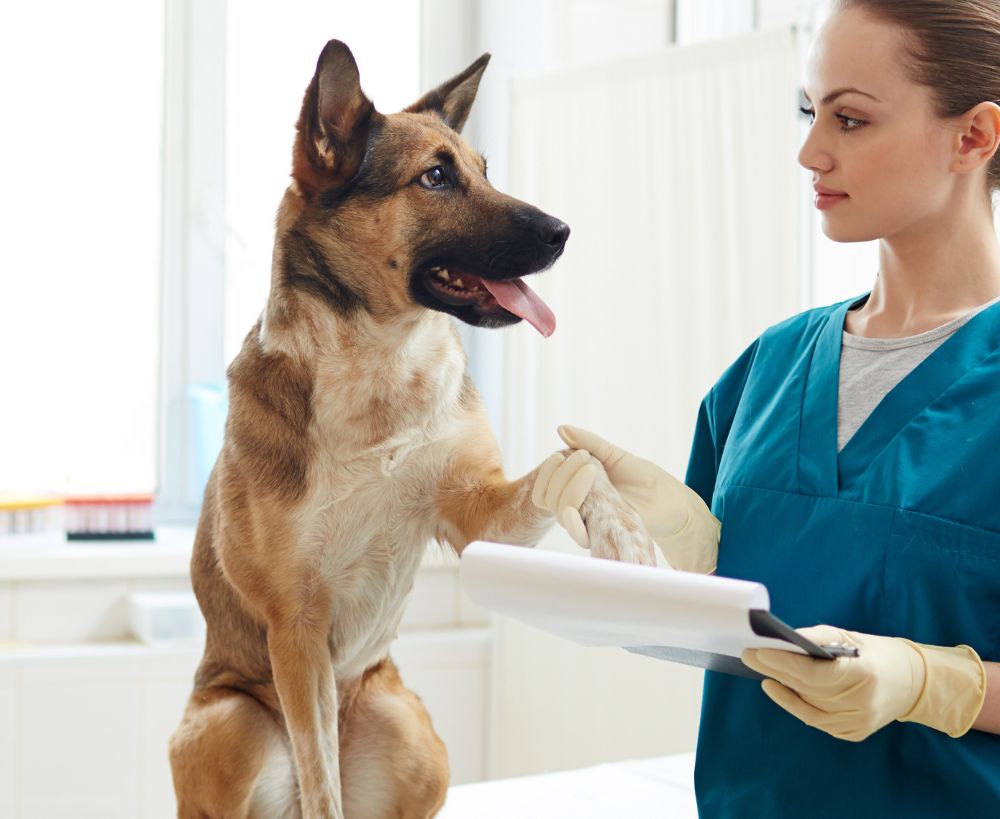
What Is Hip Dysplasia?
Hip dysplasia is a developmental condition in which the hip joint forms incorrectly during growth, becoming loose or unstable. Over time, this instability causes abnormal wear on the cartilage, leading to arthritis or degenerative joint disease. Though most common in large and giant breeds, hip dysplasia can affect dogs of any size. Genetics, rapid growth, excessive exercise, and excess weight can all increase the risk.
If hip dysplasia is not diagnosed and managed early, it can lead to lifelong discomfort and reduced mobility. That’s why timely screening and intervention are essential to preserving joint function. Our veterinarians use advanced screening techniques, including OFA and PennHIP radiographs, to identify hip issues early and guide preventive or therapeutic care based on your dog’s unique needs.
How We Diagnose Hip Dysplasia
Physical Examination & Early Detection
Our veterinarians begin with a full orthopedic assessment, evaluating gait, range of motion, and signs of joint instability or pain. Early symptoms often include:
- Difficulty rising or reluctance to exercise
- Trouble climbing stairs or jumping
- “Bunny-hopping” gait
- Limping or lameness after activity
- Visible stiffness after rest

OFA Certification
For adult dogs, we offer Orthopedic Foundation for Animals (OFA) radiographs. These images, taken under general anesthesia to ensure proper positioning, are submitted to board-certified radiologists for grading and official certification.
PennHIP Screening
We also perform PennHIP radiographs, which can assess hip laxity as early as 16 weeks old. This method provides a more precise measurement of joint looseness and helps identify the likelihood of future osteoarthritis. PennHIP is especially valuable for breeders, working dogs, and young dogs at higher genetic risk.
Skilled Orthopedic Insight for Your Dog’s Mobility
The veterinarians at Lillington Veterinary Hospital have extensive experience identifying and managing orthopedic conditions, including hip dysplasia. Our team uses trusted, evidence-based techniques and advanced imaging to assess your dog’s joint health with precision. When needed, we collaborate with regional orthopedic specialists to ensure your dog receives the highest level of care.
Pet owners across the greater Lillington area rely on our expertise for guidance in keeping their dogs active, stable, and comfortable at every stage of life.
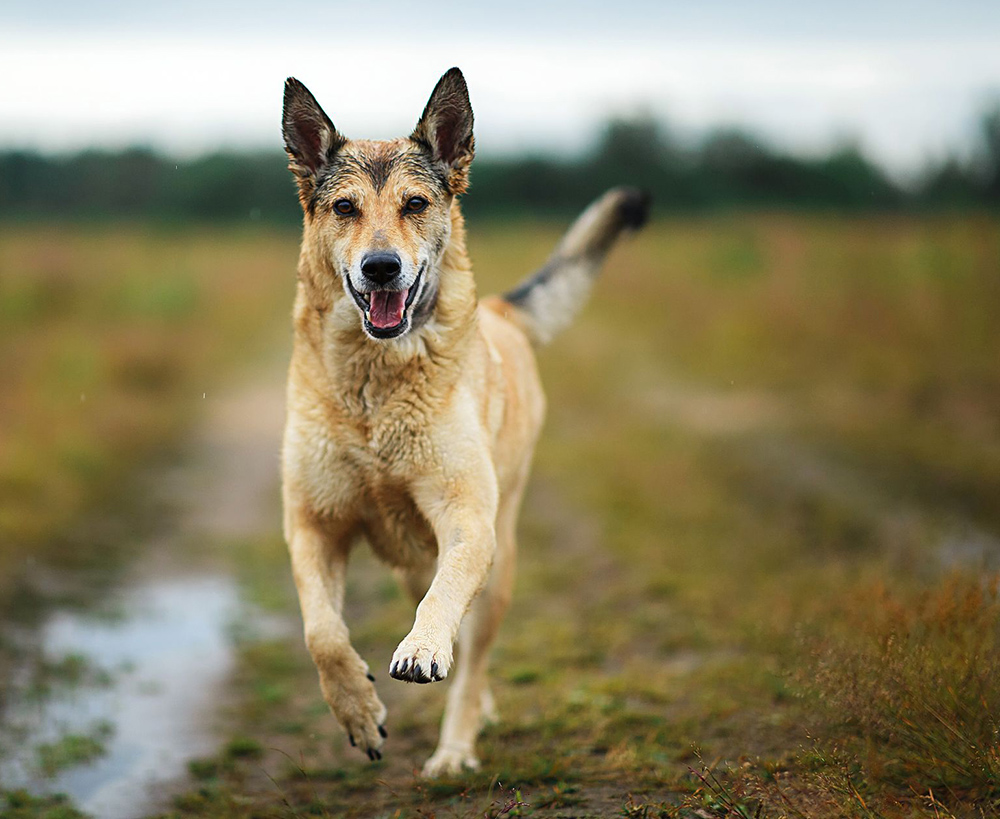
Why Hip Dysplasia Screening Matters
- Slow the progression of arthritis
- Reduce pain and inflammation
- Improve mobility and long-term comfort
- Recommend appropriate exercise routines
- Create nutrition and weight management plans
- Discuss medical or surgical treatment options
Managing weight, avoiding high-impact activity, and using preventive supplements can significantly improve your dog’s mobility and comfort. In advanced cases, surgery may be recommended to restore joint function.
Supporting Joint Health for a Happier, More Active Life
Hip dysplasia doesn’t have to define your dog’s future. At Lillington Veterinary Hospital, we focus on early diagnosis, thoughtful management, and compassionate orthopedic support tailored to your dog’s individual needs. With personalized guidance and timely care, we help your companion maintain mobility, comfort, and a better quality of life well into adulthood.